Fossil Carbon Dioxide Emissions Fall 0.4 Percent in 2026, First Time Since 2020, but Total Emissions Rise to 43.3 Billion Tonnes
The Global Carbon Budget: the fall is partly due to the oil shock from the Iran war. The remaining budget for 1.5 degrees is 150 billion tonnes.
Antalya – Global fossil fuel carbon dioxide emissions in 2026 are projected to fall by 0.4 percent, to 38.2 billion tonnes. This is the first annual fall since 2020, according to the new Global Carbon Budget, published on November 10, on the second day of the COP31 climate conference in Türkiye.
Oil is down 1.9 percent and natural gas 0.3 percent. Coal, however, is up 0.6 percent. The authors link the fall in oil consumption to the energy shock from the conflict with Iran and describe it as a short-term reaction.

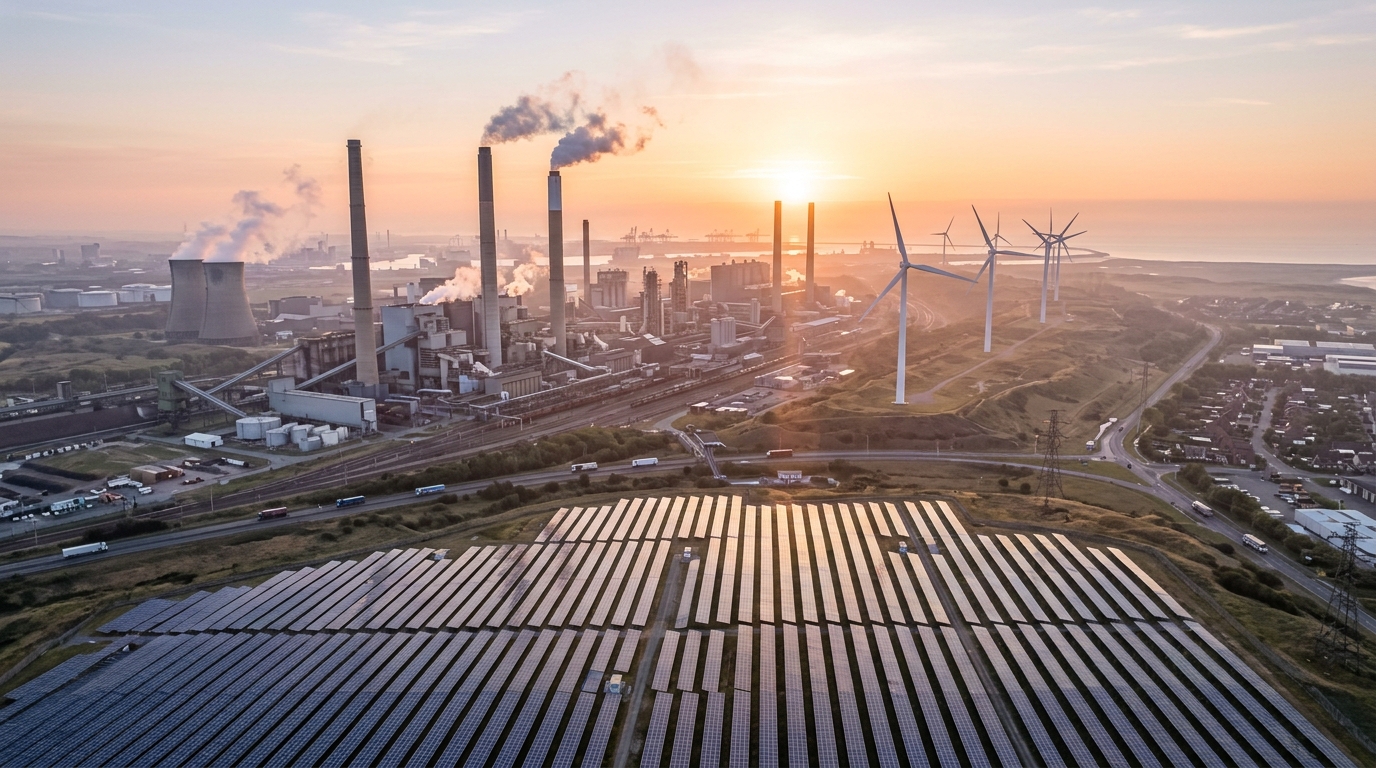
Solar and wind energy and electric vehicles cover about two thirds of the growth in energy demand. That, the authors say, is still not fast enough for a lasting fall.
Total emissions, together with land-use change, are projected at 43.3 billion tonnes, up from 42.8 billion last year. By the editorial calculation, that is an increase of about 1.2 percent. Emissions from land-use change rise to 5.1 billion tonnes.
The remaining budget for warming of 1.5 degrees is 150 billion tonnes, which is less than four years at the current pace. The concentration of carbon dioxide in the atmosphere is projected at 427.7 parts per million, 54 percent above the pre-industrial level.
China, which accounts for 32 percent of the world’s fossil emissions, records a fall of 0.9 percent, although coal consumption there rises by 0.3 percent. The fall in the US is 1.3 percent, mainly from less coal, in the EU 1.5 percent, in Japan 1 percent, and in the rest of the world 0.7 percent. India records a rise of 4.4 percent, above its average annual growth of 3.5 percent over the last decade.
Lead author Pierre Friedlingstein of the University of Exeter said that a reduction driven partly by “geopolitical shocks is not a sustainable climate solution”. Corinne Le Quéré of the University of East Anglia added that further acceleration “could turn the tide on global emissions within a few years”.
What was not announced: how much of the fall comes from the war and how much from clean technologies. The authors call the fall partly a result of the shock, but give no split.
MKNews Hub · Macedonia · November 10, 2026
